Westfield London gardeners guide to small courtyard makeovers
Small courtyards can be a bit deceptive. At first glance they look simple, maybe even too small to matter, but give them the right layout and they become one of the most rewarding outdoor spaces in the home. A well-planned Westfield London gardeners guide to small courtyard makeovers is really about getting more from every inch: more light, more greenery, more privacy, and more day-to-day enjoyment. That might mean turning a bare patch into a calm morning coffee spot, or making a cramped paved yard feel softer, brighter, and easier to maintain.
Truth be told, courtyard gardens are often where good design matters most. There is nowhere to hide mistakes. Drainage, scale, planting choice, and access all matter. The upside? When it is done well, the result feels dramatic without needing a huge budget or a huge space. In this guide, you will find a practical, human-friendly way to approach a makeover, from first ideas through to upkeep, plus what to watch out for if you want the finished space to look polished rather than pieced together.
If you are comparing professional help, it can also be useful to look at a firm's garden services overview, check their about us page for background, and review pricing and quotes so you know what to expect before work begins.
Table of Contents
- Why Westfield London gardeners guide to small courtyard makeovers Matters
- How Westfield London gardeners guide to small courtyard makeovers Works
- Key Benefits and Practical Advantages
- Who This Is For and When It Makes Sense
- Step-by-Step Guidance
- Expert Tips for Better Results
- Common Mistakes to Avoid
- Tools, Resources and Recommendations
- Law, Compliance, Standards, or Best Practice
- Options, Methods, or Comparison Table
- Case Study or Real-World Example
- Practical Checklist
- Conclusion
- Frequently Asked Questions
Why Westfield London gardeners guide to small courtyard makeovers Matters
Courtyard spaces in West London often have to do several jobs at once. They may be the only outdoor area for an apartment, a tucked-away side return, or a compact rear space that gets used for sitting, storing bikes, or drying washing. Because the area is limited, every surface and every plant has a visible impact. That makes courtyard garden design both challenging and, honestly, a little satisfying when it lands properly.
A good makeover improves more than appearance. It can make the space easier to use in wet weather, reduce awkward dead corners, improve privacy from neighbouring windows, and give you a place that feels connected to the home rather than left over from it. A courtyard with the right balance of hard landscaping and planting can feel calm in winter and lively in summer. That seasonal shift is often the whole point.
There is also a practical reason this matters in London. Many courtyard gardens sit close to buildings, walls, drains, and boundary lines. That means poor drainage, slippery surfaces, and awkward access can become real headaches. A thoughtful plan avoids those issues instead of patching over them later. In our experience, the best small garden transformations are the ones that quietly solve practical problems while looking relaxed and effortless. Which, let's face it, is harder than it sounds.
How Westfield London gardeners guide to small courtyard makeovers Works
A small courtyard makeover usually starts with a proper reset. That may sound obvious, but it is where most strong designs begin. First comes a clear look at what is already there: paving, walls, fences, shade, drainage, access points, and how much natural light the space really gets through the day. A courtyard that looks bright at noon can feel very different by 4pm, especially in shadowed London settings.
Once the space is understood, the design phase can begin. This is where the gardener decides what the courtyard should do. Should it be a sitting space first, a planted oasis first, or a bit of both? Do you want structure and symmetry, or a softer, layered look? These choices shape everything else, from materials to planting palette.
From there, the makeover typically follows a sequence:
- Clear the area and identify any repairs needed.
- Check drainage, levels, and access for maintenance.
- Set out the main layout zones.
- Install or refresh hard surfaces, edging, or features.
- Add screening, planters, and vertical planting.
- Finish with soil improvement, planting, and mulch.
- Build a maintenance plan that fits the space.
That final step matters more than many people think. A courtyard can look fantastic on completion day and then decline quickly if the planting is too demanding or the layout makes everyday use awkward. If you want a result that stays tidy, the design needs to suit your routine, not just a photograph.
Key Benefits and Practical Advantages
The obvious benefit is visual improvement, but small courtyard makeovers offer a lot more than that. In a compact space, the right changes can affect comfort, usability, and even how the whole home feels when you step outside.
- Better use of space: A careful layout makes the courtyard feel larger and less cluttered.
- Lower maintenance: Choosing the right paving, planting, and edging can reduce weekend chores.
- Improved privacy: Screens, climbers, and well-placed containers help soften overlooked spaces.
- More year-round appeal: Evergreen structure and layered planting keep the garden looking good in colder months.
- Safer surfaces: Proper materials and fall management can reduce slipping and pooling water.
- Clearer identity: Even a tiny courtyard can feel like a proper outdoor room.
There is a nice side effect too: a courtyard makeover often makes the adjacent room feel better as well. Light bouncing off pale paving, greenery outside a kitchen window, or a single well-placed bench can change how the indoors feels. It is a small shift, but you notice it every day.
Expert summary: In a small courtyard, the biggest gains usually come from three things: smarter layout, restrained planting, and materials that suit low light and close quarters. Get those right and the space starts working for you instead of against you.
Who This Is For and When It Makes Sense
This kind of project suits homeowners, landlords, and tenants with permission to improve a private outdoor space. It is especially relevant if your courtyard feels awkward, too shaded, too hard, or simply too plain. You may not need a total rebuild. Often, a targeted redesign delivers most of the benefit without tearing everything out.
It makes sense if you recognise any of these situations:
- The courtyard is mainly paving and feels cold or unfinished.
- Plants struggle because the space is too shady or too exposed.
- Water collects after rain, leaving the area muddy or slippery.
- You want privacy without building a heavy, closed-in feel.
- You need the space to be child-friendly, pet-friendly, or easy to maintain.
- You are preparing a property for sale or letting and want it to look cared for.
On the other hand, if the space is only used for bin storage and access, a full makeover may be overkill. In that case, a simpler tidy-up, improved screening, and a few durable planters can be enough. No drama. Just sensible, honest improvements.
Step-by-Step Guidance
1. Start with the real use of the space
Before choosing plants or pavers, decide how the courtyard will be used day to day. A two-seat bistro set needs a very different layout from a planting-led courtyard with room to wander through. Write down your top three priorities. For example: seating, privacy, and low maintenance. That list becomes the design filter for every other decision.
2. Measure everything properly
Small gardens punish guesswork. Measure wall-to-wall dimensions, note door swing, and record any awkward corners, steps, drains, or inspection covers. If the space is irregular, sketch it roughly on paper. Even a simple sketch can reveal that the "leftover" strip by the wall is actually the best place for vertical planting or a narrow bench.
3. Review light, shade, and wind
Courtyards in London often sit between tall buildings, so conditions can change a lot through the day. Shade-loving plants may thrive where sun-lovers struggle. Wind can dry containers faster than expected, especially on upper levels or exposed corners. Spend a day noticing the space at different times if you can. Morning and late afternoon often tell a very different story.
4. Sort the hard landscape first
This is the practical backbone: paving, decking, edging, raised beds, steps, and drainage. If the hard landscaping is wrong, everything else feels compromised. For example, a lovely planted corner loses its charm fast if water sits at the base of a wall or a surface becomes slippery every winter. A stable, level, and well-drained base gives the garden a chance to shine.
5. Add structure with layers, not clutter
Small courtyards work better with a few strong elements than with lots of tiny ones. Think in layers: floor, wall, mid-level planting, and one or two focal points. A wall trellis, a statement planter, or a slim bench can do more than a dozen small ornaments. To be fair, the miniature gnome brigade is not always the answer.
6. Choose planting for the conditions, not the wish list
The best plants are the ones that survive and look good in your actual courtyard. In shady spaces, structure and leaf texture matter as much as flowers. In sunnier spots, drought-tolerant planting and containers with good moisture retention may be better. Pick a limited palette so the design feels calm. Repetition helps a small garden feel bigger.
7. Finish with details that make it usable
Good courtyard makeovers often come alive in the details: lighting, tap access, hidden storage, trellis fixings, and clean edging. These are not flashy choices, but they are the difference between a nice-looking space and one that genuinely gets used. A garden you can enjoy on an ordinary Tuesday evening is the real win.
Expert Tips for Better Results
Here are the small choices that often make the biggest difference in a compact courtyard:
- Use fewer materials: Two or three finish types usually look more polished than five or six.
- Go vertical: Walls are valuable real estate in a courtyard. Use climbers, trellis, and wall-mounted planting where sensible.
- Keep one clear route: If the space feels crowded, it will seem smaller than it is.
- Repeat shapes: Matching containers or repeated planting forms create rhythm and calm.
- Mind the maintenance access: Leave enough room to sweep, water, prune, and check drains.
- Use evergreen structure: It keeps the space from looking empty in winter.
- Test views from indoors: A courtyard is often seen through a window first, used second.
One helpful habit: stand at the back door and look out for thirty seconds. Then walk into the courtyard and look back in. If the view still feels balanced from both angles, you are on the right track. Simple test, very useful.
Also, do not underestimate the effect of height. A slim obelisk, a tall planter, or a trained climber can draw the eye upward and make the space feel less boxed in. That single change can shift the whole mood.
Common Mistakes to Avoid
Small courtyards magnify design mistakes. A slight misjudgement in scale or drainage can become a permanent irritation. Here are the most common issues to watch for.
- Overcrowding the space: Too many planters and features can make the courtyard feel cramped and awkward.
- Choosing thirsty plants for dry, windy spots: They may look good in the nursery and sulk at home.
- Ignoring drainage: Surface water, blocked gullies, or poor falls can damage materials and make the space unpleasant.
- Using dark, heavy materials everywhere: They can make a small courtyard feel smaller and more enclosed.
- Forgetting maintenance access: A beautiful planter that blocks a drain is, well, a future headache.
- Mixing too many styles: Rustic, ultra-modern, and cottage all at once usually looks confused.
- Skipping a plan for winter: Bare stems and faded annuals can leave the courtyard looking tired for months.
A lot of these problems come from trying to make the garden do too much. The cure is not more stuff. It is clearer decisions. Fewer elements, better chosen.
Tools, Resources and Recommendations
You do not need an enormous kit for a courtyard makeover, but a few practical tools and resources make the process far easier. For the garden itself, common useful items include a tape measure, spirit level, spade, hand fork, secateurs, wheelbarrow or sturdy trug, and a good watering can. For more detailed work, you may also need edging tools, a drill for fixings, and gloves that actually fit. That last one sounds small. It is not.
For planning, a simple notebook and rough sketch are often better than trying to keep everything in your head. Take photos before you start, especially of drains, walls, and any problem areas. Those pictures become helpful when you are deciding where to place planters or how much screening you need.
If you are working with a professional team, it is fair to ask about process, materials, scheduling, and aftercare. Their services overview can help you understand what is available, while pricing and quotes should make the commercial side clearer. If your project needs careful site handling, their health and safety policy and insurance and safety information are worth a look too.
For environmentally aware projects, you may want to consider reuse and responsible disposal. The recycling and sustainability approach can be a useful sign that garden waste and materials are being handled thoughtfully.
Law, Compliance, Standards, or Best Practice
Most small courtyard makeovers are straightforward domestic landscaping jobs, but there are still sensible standards and local considerations to keep in mind. If your courtyard is part of a flat, leasehold property, or shared building, check what is allowed before changing surfaces, walls, or drainage. Consent may be needed from a landlord, management company, or neighbours depending on the arrangement. Better to ask early than undo work later.
Drainage deserves special attention. In a tight urban garden, water should not be forced toward the building or into places it should not go. Good practice is to ensure the finished surface, edging, and planting layout all support sensible water movement. A qualified gardener or landscaper should be able to explain this in plain English, not mumble over it.
Safety is another practical point. If work involves lifting heavy materials, cutting, power tools, or working close to boundaries and access routes, the contractor should follow suitable safety procedures. You can also check whether they explain their insurance coverage clearly. A transparent business will usually make this information easy to find and easy to understand. For general company policies and expectations, the site pages for terms and conditions, payment and security, and complaints procedure are useful trust signals.
If accessibility matters in your home, it is sensible to design wider routes, reduce trip points, and avoid awkward level changes where possible. That is not just considerate; it makes the space more enjoyable for everyone, especially over time.
Options, Methods, or Comparison Table
There is no single right way to makeover a courtyard. The best approach depends on budget, maintenance, and how much change you actually want. This comparison can help you narrow it down.
| Approach | Best for | Strengths | Trade-offs |
|---|---|---|---|
| Refresh only | Courtyards with sound paving and layout | Fast, cost-conscious, minimal disruption | Limited transformation if the base is already poor |
| Plant-led makeover | Spaces that feel hard or barren | Softens the area, improves atmosphere quickly | Needs appropriate watering and seasonal care |
| Full redesign | Courtyards with drainage, layout, or privacy issues | Most complete result, strongest functional improvement | More time, planning, and budget needed |
| Low-maintenance scheme | Busy households and landlords | Easier upkeep, dependable appearance | Can feel less lush if over-simplified |
In many West London homes, a hybrid approach works best. Keep what is usable, improve what is tired, and add structure where the garden needs help. That tends to deliver the best value without turning the project into a building site for weeks on end.
Case Study or Real-World Example
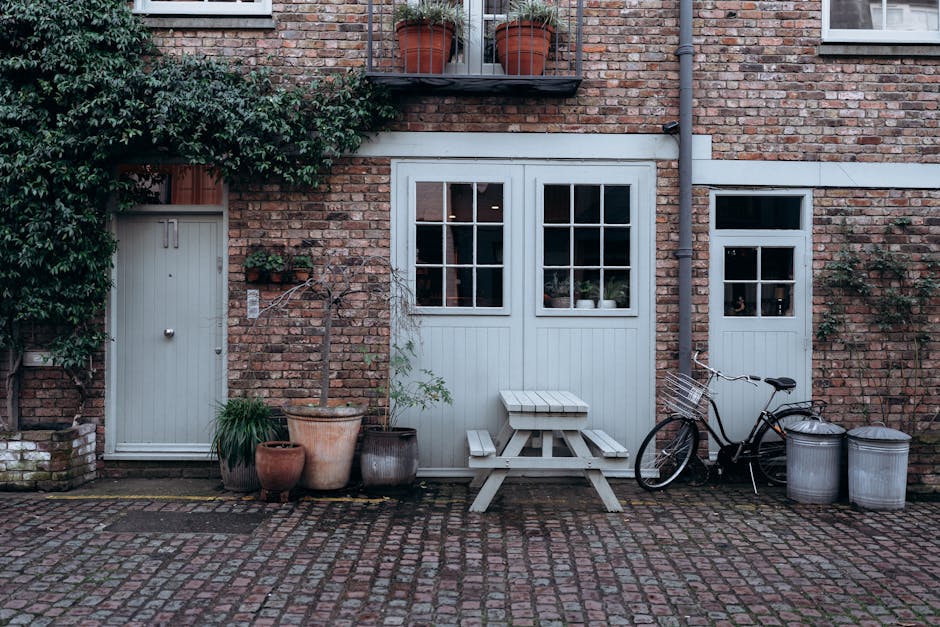
Imagine a small paved courtyard behind a terraced property. It is shaded for much of the day, the existing paving is sound but patchy in colour, and the owner wants a space for morning tea and a few plants without creating extra chores. Very normal brief, actually.
The makeover starts by cleaning and checking drainage rather than ripping everything out. One long wall is fitted with a simple trellis and planted climbers to add height. Two matching planters are placed near the seating area for structure. The centre of the courtyard is kept clear so movement stays easy. Pale surfaces and container finishes brighten the light, while evergreen planting ensures the space still looks intentional in January.
What changes most? The room connection. From inside, the view no longer stops at a blank wall and a lonely pot. It feels like an extension of the living space. Outside, the courtyard is still small, but now it has shape, softness, and a reason to be there. Nothing overdone. Just enough.
That kind of result is often the sweet spot for city courtyards. You do not need a jungle. You need a garden that feels like it belongs.
Practical Checklist
Use this checklist before work begins:
- Confirm how the courtyard will be used most often.
- Measure the full space, including corners and access points.
- Note shade, sun, wind, and water pooling after rain.
- Check whether any permissions or property restrictions apply.
- Decide what should stay, what should go, and what needs repair.
- Choose a limited material palette for a cleaner finish.
- Select plants suited to the real conditions, not the ideal ones.
- Allow space for maintenance, not just for the initial design.
- Plan for winter appearance as well as summer growth.
- Ask about safety, insurance, payment terms, and aftercare before booking.
If you want to discuss a project or ask questions before getting started, the most direct route is to use the contact us page. If you prefer to understand the team first, the about us page is a sensible place to begin.
Conclusion
A small courtyard makeover is less about size and more about clarity. When the layout fits the space, the planting suits the light, and the materials are chosen with care, even a modest garden can feel calm, welcoming, and properly useful. That is the real aim of a Westfield London gardeners guide to small courtyard makeovers: not to make the space look busy, but to make it work beautifully in everyday life.
Start with what the space needs, be honest about how you will use it, and keep the design focused. The result is usually better than expected. And sometimes, on a quiet evening when the air is warm and the lights are on, that little courtyard becomes the best room in the house.
Get a free quote today and see how much you can save.
Frequently Asked Questions
What is the best layout for a small courtyard garden?
The best layout is usually one with a clear circulation route, a defined seating area if space allows, and planting placed to soften edges rather than block movement. In a compact courtyard, openness matters more than squeezing in lots of features.
How do you make a small courtyard feel bigger?
Use fewer materials, repeat planter shapes, add vertical planting, and keep the centre of the space visually calm. Light-coloured surfaces and a tidy line of sight from the door can also help the area feel larger.
Which plants work well in shady courtyard gardens?
Shade-tolerant plants with good leaf texture usually perform well, especially where flowers are limited by low light. The exact choices depend on how dry or damp the courtyard is, so matching plant choice to the conditions is more important than chasing a trend.
Do small courtyard makeovers need drainage improvements?
Not always, but drainage should always be checked. If water pools, surfaces are slippery, or plants are sitting in overly wet soil, then drainage and levels need attention before the final design goes in.
How much maintenance does a courtyard makeover usually need?
That depends on the planting and materials you choose. A low-maintenance scheme might only need light pruning, watering in dry spells, and occasional sweeping, while a more decorative planting plan will need more regular care.
Can a courtyard be both stylish and low maintenance?
Yes, absolutely. The trick is to use a restrained palette, evergreen structure, and durable hard landscaping. Stylish does not have to mean fussy, despite what some garden photos suggest.
What is the most common mistake in small courtyard design?
Overcrowding. People often add too many pots, too many materials, and too many focal points. The space ends up feeling smaller and less restful than before.
When is the best time to start a courtyard makeover?
Many people begin in spring or early autumn because planting conditions are often more forgiving, but practical timing depends on the amount of hard landscaping needed. If structural work is involved, a professional can advise on the best sequence.
Do I need permission for courtyard changes in a flat or leasehold property?
Possibly. It depends on the lease, management rules, and what changes you plan to make. If the project affects shared areas, drainage, or building fabric, check permissions first.
How do I choose between a refresh and a full redesign?
If the surfaces are sound and the main issue is that the space feels plain, a refresh may be enough. If there are drainage issues, poor layout, or long-term access problems, a full redesign is often the better investment.
What should I ask before hiring a gardener for a courtyard project?
Ask about their process, experience with small spaces, safety practices, insurance, payment terms, and how they handle waste or recycling. It also helps to ask how they would approach your courtyard specifically, not just what they offer in general.
Can a small courtyard improve the feel of the home?
Definitely. Even a modest outdoor space can change how a home feels if the view from inside is softer, greener, and more intentional. That little daily lift is often what people value most once the work is finished.