Gardeners access problems on Goldhawk Road narrow gates solution: practical ways to work around narrow gates without wasting time or damaging a garden
Anyone who has tried to get gardening equipment through a tight side passage or a stubborn little gate on Goldhawk Road knows the feeling: the job looks straightforward until the gate becomes the main obstacle. The good news is that Gardeners access problems on Goldhawk Road narrow gates solution is not really about forcing bigger tools into a small space. It is about planning the work properly, choosing the right kit, and adjusting the method so the garden still gets the result it needs. That matters whether you are arranging regular upkeep, a one-off tidy-up, or a more involved landscaping job.
In a busy London street, access can shape everything from the first quote to the final sweep-up. One narrow gate, a steep step, a cramped alley, or a shared entrance can slow the job down fast. But with the right approach, those limitations are usually manageable. This guide breaks down how the solution works, what benefits it brings, who needs it, and the practical steps that make all the difference.
Why Gardeners access problems on Goldhawk Road narrow gates solution Matters
Access problems are not a small detail. They can be the difference between a smooth, tidy visit and a long day of shuffling tools, lifting bags by hand, and trying not to knock over pots, walls, or edging. On Goldhawk Road, where homes and garden layouts can be compact and awkwardly configured, a narrow gate can quickly become the limiting factor in what is possible on site.
For gardeners, access affects:
- how many people are needed on the job
- which machines can be used safely
- how long the work takes
- how garden waste is removed
- how much disturbance is created for the homeowner and neighbours
And for the client? It affects price, timing, and the overall quality of the finish. A crew that shows up with a plan for tight access is far more likely to leave the garden neat, not battered. To be fair, that is exactly what people want: less fuss, better results, no drama at the gate.
It also matters for repeat visits. If you need regular garden maintenance, the access setup needs to be workable every time, not just once on a sunny Tuesday when everything happened to fit. A solution that works in practice saves effort again and again.
How Gardeners access problems on Goldhawk Road narrow gates solution Works
The solution is usually a combination of planning, adaptation, and selective use of equipment. In plain English, the team works around the access issue rather than pretending it does not exist. That sounds obvious, but it is where a lot of avoidable problems begin.
1. Measure first, move later
The first step is checking the gate width, latch style, opening direction, and any pinch points just inside the entrance. A gate that seems usable from the street may still be awkward because of an angled path, a bin store, or a turn immediately after entry. Small detail, big difference.
2. Match the job to the access route
Once the access route is clear, the work method changes. Smaller equipment may be chosen, bulkier machinery may stay out, and materials may be carried in smaller loads. For example, a lawn cut through a narrow access point may use a lighter machine and more hand finishing, while a cleared border may be handled with bags rather than large tubs.
3. Break the job into sections
If access is tight, the smartest approach is often to divide the task into smaller stages. That might mean clearing a front section first, then handling the back garden, then removing waste in manageable batches. It is less flashy, perhaps, but it works. And working is the whole point.
4. Protect the gate and the garden
Good access management is also about protection. Door frames, hinges, paving edges, and lawn borders can be damaged if tools and waste are rushed through. A careful gardener will use controlled movement, carry items upright where possible, and avoid dragging anything rough over stone or timber. This is where experience really shows.
If the garden also needs hard landscaping changes, it helps to coordinate access planning with broader project design. That is where landscaping and related structural work can make the whole space easier to use in the future.
Key Benefits and Practical Advantages
A proper narrow-gate access solution delivers more than convenience. It changes the way the whole job feels for everyone involved.
- Less disruption: Smaller movements through the property mean less noise, less mess, and fewer near-misses with walls or plants.
- Cleaner finish: When equipment fits the route, the team can focus on the actual garden rather than fighting the access.
- Safer work: Fewer awkward lifts and fewer forced manoeuvres reduce the chance of avoidable slips, strains, and breakages.
- Better scheduling: A clear access plan makes it easier to estimate time and coordinate waste removal.
- More realistic quoting: The price reflects the real job, not a hopeful guess. That matters a lot if the gate is especially tight.
There is also a quieter benefit that people notice after the fact: the whole experience feels calmer. You do not hear the constant clatter of a team improvising on the fly. You see a method, not a scramble. And frankly, that is reassuring when strangers are moving through your side return with tools before breakfast.
Expert summary: The best access solution for a narrow gate is rarely one single trick. It is a sensible mix of measurement, smaller equipment, careful route planning, and a work sequence that respects the space you actually have.
Who This Is For and When It Makes Sense
This kind of access planning is useful for a lot of people, not just those with obviously awkward entrances. If the gate is narrow, the path turns sharply, or the rear garden can only be reached through the house or a shared side passage, this approach is worth considering from the start.
It makes particular sense if you are:
- arranging regular garden upkeep on a compact property
- planning a one-off tidy-up after growth has got away from you
- dealing with overgrown hedges, shrubs, or small trees in a tight rear space
- thinking about a redesign that may improve future access
- managing a rental property or a home with limited side access
If the garden is only accessible through a very narrow route, services like garden clearance or selective pruning may need a slightly different method from what would be used in a wider garden. That is not a problem. It just needs to be planned honestly.
It also makes sense when the schedule is tight. A last-minute job on a Goldhawk Road property with limited access can still be done, but only if the team is clear about the constraints before arrival. Surprises at the gate tend to cost time. Not ideal, as you can imagine.
Step-by-Step Guidance
If you want the access issue handled properly, this is the usual order that works best.
- Measure the gate and route. Note the clear opening width, the height of any step, and whether the route bends immediately after entry.
- Describe the garden honestly. Explain what needs doing, how much waste is likely to come out, and whether the entrance is the only route in and out.
- Check for moving obstacles. Look at bins, bikes, loose paving, low branches, or anything else that may pinch the access.
- Decide on equipment size. Compact tools, hand tools, and smaller carriers may be better than one large machine.
- Plan waste handling. Think through where cuttings, bags, and debris will be staged before removal.
- Protect touchpoints. Use care around hinges, walls, fences, and stone edges, especially where the gate swings tight.
- Work in the right sequence. Start with the most obstructive material first, then move to finer detail work.
- Review once finished. Check the route again so nothing has been left behind, bashed, or half-moved.
A small but important note: if the job involves pruning, hedge shaping, or overgrowth control, do the access planning before the cutting begins. It is annoying to discover too late that the cut branches will not fit back out of the gate. Happens more often than people think.
For regular garden care, a schedule built around smaller, more frequent visits can be far easier than one massive seasonal visit. That is where hedge trimming, lawn mowing, and broader upkeep can be organised in a way that suits the access route instead of fighting it.
Expert Tips for Better Results
Here is where a few practical details make a surprisingly big difference.
Keep the entrance as clear as possible before the visit
Move bins, bikes, plant pots, and loose furniture out of the route ahead of time. Even a narrow clear strip can help. It sounds minor, but it saves repeated stops and awkward lifting.
Choose the lightest sensible tools
Heavier machinery is not automatically better. In tight access conditions, the right hand tool or compact machine often gives a cleaner result with less risk. That is especially true where the ground is uneven or wet underfoot.
Think about the exit as much as the entry
People usually focus on getting in. But getting out with waste is often the harder part. If the gate swings awkwardly or the path narrows near the end, the exit route should be treated as part of the job, not an afterthought.
Allow for weather
A gate that is fine in dry weather can become slippery or harder to handle after rain. On a damp London morning, even a short passage can feel a bit fiddly. No need to be dramatic about it, but it does change the job.
Keep communication simple
If there is a shared entrance, a tenant, neighbour, or landlord involved, make sure everyone knows the access plan. That avoids unnecessary knocks on the door and the usual mild confusion that comes with shared outdoor spaces.
Common Mistakes to Avoid
Most access problems become much worse when people assume the garden will sort itself out on the day. It rarely does. Here are the mistakes that cause the most hassle.
- Undermeasuring the gate: A centimetre or two can be the difference between smooth movement and a complete no-go.
- Ignoring the turn after the gate: A straight opening is one thing; a tight corner immediately inside is another.
- Choosing oversized equipment: The biggest tool is not always the best tool.
- Forgetting waste removal: A job can be completed but still feel unfinished if the cuttings cannot be moved out neatly.
- Starting before the route is cleared: This leads to delays, extra handling, and avoidable knocks to the property.
- Assuming every garden has the same workflow: Not so. A compact rear plot behind a narrow gate needs a different rhythm from a wide open lawn.
Another common issue is overconfidence. A gardener might think, "It'll be fine, we'll manage." Sometimes that works. Sometimes it means a lot of unnecessary back-and-forth and a team getting grumpy by midday. Best not to leave it to luck.
Tools, Resources and Recommendations
For narrow-gate access work, the right tools are usually ordinary tools chosen intelligently rather than special gadgets. What matters is how they fit the space and the task.
| Option | Best for | Strengths | Limitations |
|---|---|---|---|
| Compact hand tools | Small beds, trimming, detail work | Easy to carry, controlled, low risk | Slower for heavy clearance |
| Lightweight garden machinery | Lawn care and routine maintenance | Faster than hand work, still manageable through tight access | May not suit awkward turns or steps |
| Bagged waste handling | Clearances and cuttings removal | Flexible, neat, easier through narrow routes | Requires more trips |
| Section-by-section working | Complex or cluttered gardens | Organised, less chaotic, easier to control | Can take longer on large jobs |
For larger overgrowth or awkward garden edges, it can also help to pair the access plan with structural improvements later on. If you are thinking about future-proofing the outdoor space, landscape gardening can be a sensible route to making the garden easier to manage over time.
And if the garden has become overcrowded with cuttings, old fixtures, or general clutter, a professional garden clearance approach may be the most practical first step before any finer work begins.
Law, Compliance, Standards, or Best Practice
For this kind of work, the main issue is not a single dramatic rule. It is a set of practical duties and expectations around safety, property care, and responsible working. In the UK, gardeners and landscapers are generally expected to work carefully, avoid causing preventable damage, and manage waste and equipment responsibly.
Best practice usually includes:
- carrying out a sensible risk assessment before starting
- checking access for trip hazards, steps, and pinch points
- using equipment appropriate for the space
- protecting surfaces and structures during movement
- handling waste and cuttings responsibly
- being clear with the customer about what can realistically be done through the available access
If a property has a shared passage, rented accommodation, or any added constraints, communication becomes even more important. The same goes for insurance. A professional gardener should be able to explain how they manage site safety and property care. You do not need a lecture, just clarity. That is enough.
If safety and working methods matter to you, it is reasonable to ask about health and safety policies and insurance and safety before work begins. That is not being awkward. It is sensible.
Options, Methods, or Comparison Table
There is more than one way to solve a narrow gate access issue. The right choice depends on how tight the route is, what the garden needs, and how much waste or equipment must pass through.
| Method | When it works best | Pros | Cons |
|---|---|---|---|
| Compact equipment only | Routine maintenance and tidy-ups | Efficient, neat, simple | May be too limited for bigger clearances |
| Hand-tool approach | Very tight gates or delicate gardens | Maximum control, minimal disturbance | Slower and more labour-intensive |
| Sectional access planning | Complex or cluttered gardens | Flexible and organised | Requires more time and careful sequencing |
| Design changes to improve access | Long-term projects | Makes future maintenance easier | Needs more planning and budget |
If the current layout is the real problem, not just the gate itself, then longer-term changes may be worth exploring. For example, a redesign that improves circulation around the garden can make future visits simpler, especially if combined with decking services or other structure-led improvements. That kind of decision is not for every property, of course, but it can be a smart one.
Case Study or Real-World Example
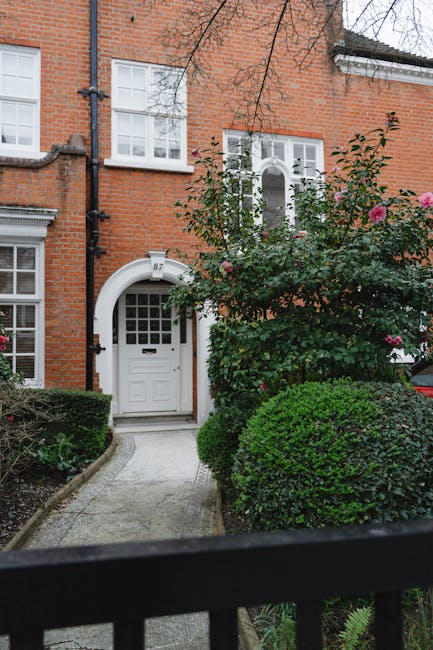
Picture a typical rear garden reached through a narrow side gate just off Goldhawk Road. The entrance is fine for a person, but awkward for bulkier items. There is a small step, a right-angle turn, and not much room to spare. The garden itself needs a tidy-up, hedge shaping, and waste removal after a few months of growth.
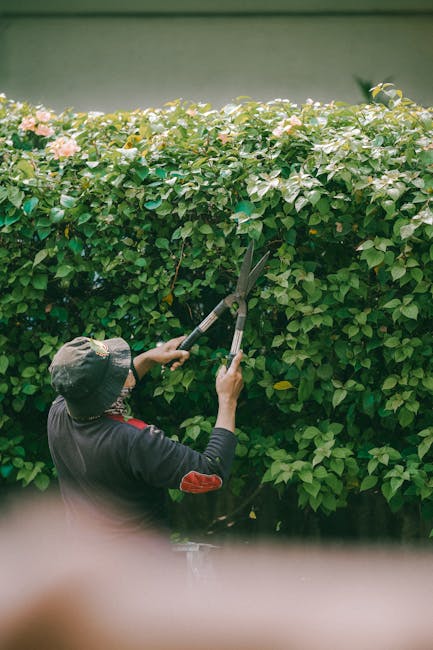
Instead of turning up with a one-size-fits-all plan, the work starts with the access route. The entrance is cleared first. Tools are kept compact. Cuttings are gathered in smaller loads. The hedge is reduced in stages so the waste can leave the site safely rather than piling up beside the gate. The result is not glamorous, but it is tidy, controlled, and completed without damage.
That sort of job often goes more smoothly than people expect because the solution is practical rather than clever. No magic trick. Just a bit of forethought and a calm sequence. If the garden is part of a broader maintenance schedule, combining the visit with garden maintenance keeps it from slipping back into the same awkward state too quickly.
One small human detail from these sorts of jobs: the homeowner often looks visibly relieved once the first awkward bag gets through the gate without scraping the wall. You can almost hear them think, "Right, okay, we're fine then." And usually, they are.
Practical Checklist
Use this checklist before the work starts, especially if access is tight.
- Measure the gate opening and note any step or slope
- Check the width of the route beyond the gate
- Clear bins, bikes, planters, and loose objects
- Confirm what needs doing and what should stay untouched
- Decide how garden waste will be removed
- Choose tools that fit the space, not just the job
- Protect wall edges, paving, and hinges
- Agree on a realistic time window
- Ask about insurance, safety, and working method
- Plan the work in stages if the garden is cluttered or overgrown
If you are comparing service options, it can help to review services overview information alongside pricing and quotes so you know what kind of work is available and how a narrow access job may be approached.
Conclusion
Gardeners access problems on Goldhawk Road narrow gates solution is really about making the job fit the site instead of forcing the site to fit the job. When access is measured properly, tools are chosen with care, and the work is sequenced sensibly, even a very narrow entrance can be managed without turning the garden into a mess.
The best outcome is usually calm, predictable, and a bit uneventful, which sounds boring but is actually perfect. Less scrambling, fewer awkward lifts, fewer surprises, better results. That is the kind of finish people remember.
If your garden feels cramped, awkward, or just a bit difficult to work through, do not assume it rules out proper care. Often it just needs the right plan, and once that plan is in place, the whole space becomes much easier to live with. Small gate, big difference.
Get a free quote today and see how much you can save.
Frequently Asked Questions
What is the best solution for gardeners access problems on Goldhawk Road narrow gates?
The best solution is usually a mix of accurate measuring, compact tools, careful route planning, and a step-by-step work method. In many cases, the job is still very manageable once the team knows exactly how tight the access is.
Can a gardener still work if the gate is very narrow?
Yes, often they can. The job may need smaller tools, more hand work, or staged waste removal, but narrow access does not automatically make the work impossible.
Will narrow access make the job more expensive?
It can, because tighter access may take more time and require more manual handling. That said, a clear and honest assessment usually gives a fairer price than guessing at the start.
How should I measure my gate before booking?
Measure the clear opening width at the narrowest point, then check the route immediately inside the gate too. A straight gate that opens into a tight corner can be just as awkward as a visibly narrow entrance.
What garden jobs are hardest with narrow gate access?
Bulk clearance, larger hedge cuts, and jobs involving heavy waste are usually the most awkward. Routine maintenance and lighter trimming tend to be easier to manage.
Can waste be removed through a narrow side gate?
Yes, if the waste is bagged or staged in smaller loads. Large, awkward branches or bulky debris may need to be reduced before removal so they pass through safely.
Is it better to improve the garden layout or just work around the gate?
That depends on how often the space is maintained. If access is a recurring issue, a layout improvement may be worth considering. If it is a one-off job, working around the gate is usually the simplest option.
Do I need to tell the gardener about steps, corners, or shared entrances?
Absolutely. These details can change the whole plan. The more accurate the access information, the smoother the job will be on the day.
What should a professional gardener do before starting a tight-access job?
They should inspect the route, identify risks, choose suitable equipment, and agree a clear method for moving waste and tools in and out of the property.
Are narrow gate gardening jobs safe in wet weather?
They can be, but extra care is needed. Wet paving, slippery steps, and awkward turns all deserve attention. If conditions are poor, timing or method may need to be adjusted.
Can access issues affect lawn mowing or hedge trimming too?
Yes. Even routine tasks like lawn mowing and hedge trimming can be affected if equipment, clippings, or the route in and out are too tight.
How do I know whether my garden needs clearance before regular maintenance?
If there is a lot of overgrowth, blocked access, or clutter around the entrance, a clearance visit may be the sensible first step. After that, routine upkeep becomes much easier to manage.